Episode #
43
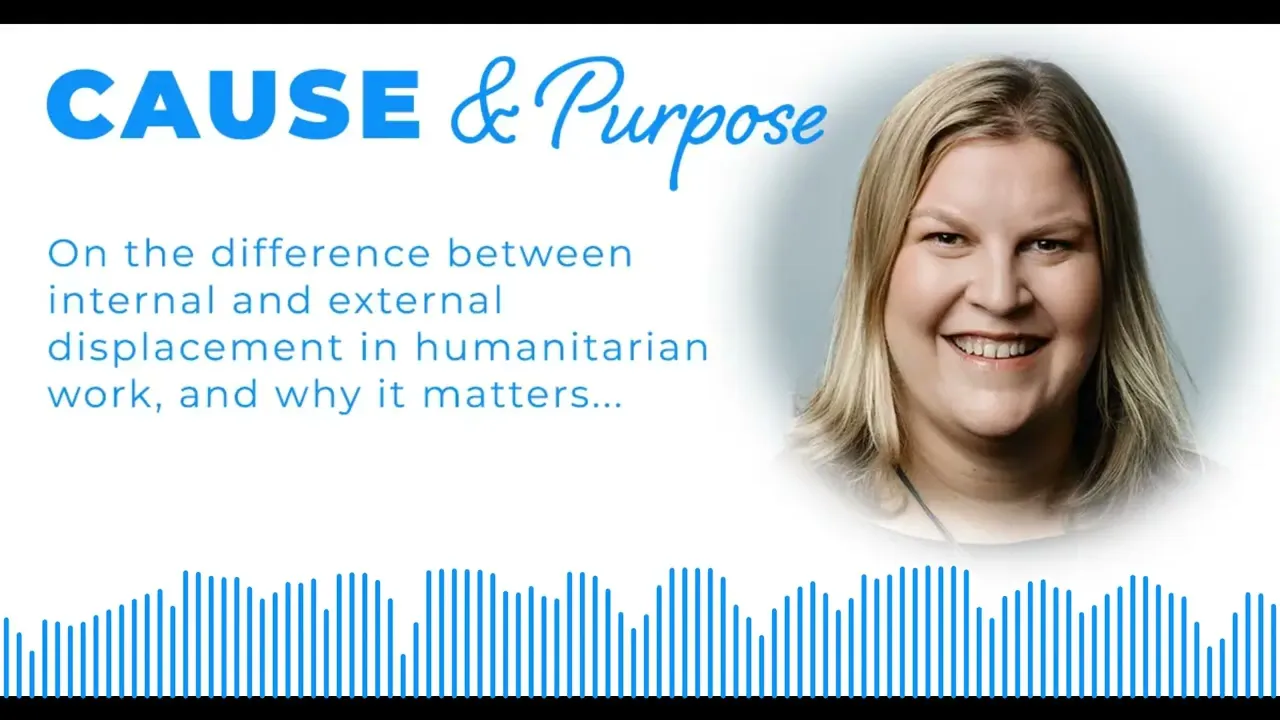
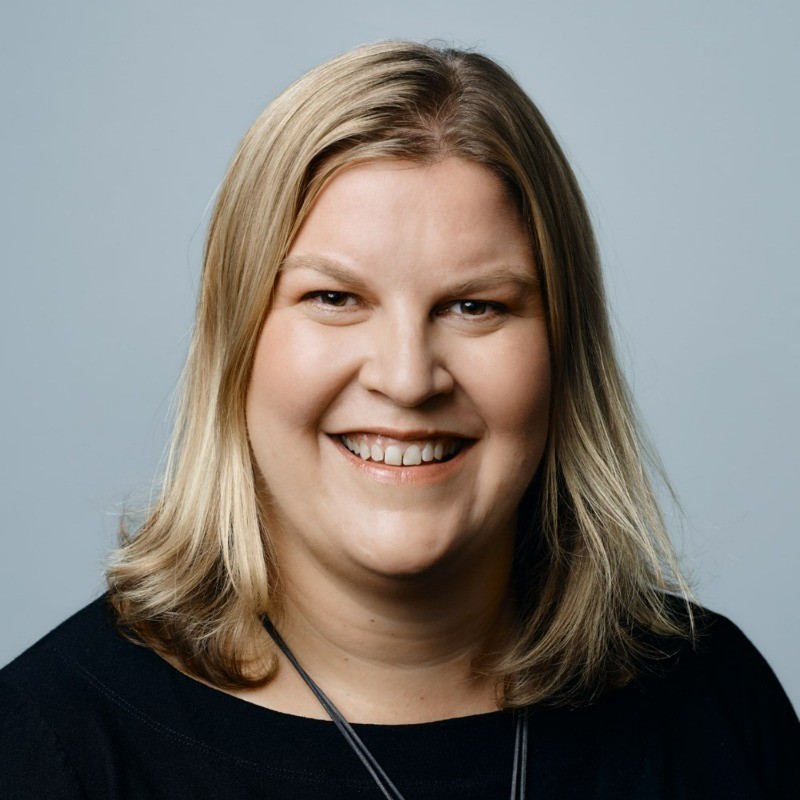
Transforming Global Humanitarian Aid & International Development Through Human-Centered Design, with Jocelyn Wyatt
Jocelyn Wyatt, CEO of Alight, shares her 25-year journey transforming humanitarian aid through human-centered design—from recognizing the disconnect between Washington decision-makers and field realities to leading a $90 million organization serving 4 million displaced people annually. Through powerful stories from Bolivia's forests to Sudan's war zones, she demonstrates why treating refugees as customers with choice rather than passive beneficiaries creates more dignified and effective aid, and how maintaining optimism in the face of massive funding cuts and global crises isn't just philosophical—it's strategic.
80 minutes
Topics:
📝 TLDR: Jocelyn Wyatt, CEO of Alight, reveals how 25 years of human-centered design experience transformed her approach to humanitarian aid—from recognizing the disconnect in USAID programs to leading a $90 million organization serving 4 million displaced people annually. Learn why treating refugees as customers rather than beneficiaries isn't just more dignified—it's more effective.
Why Listen
Discover how pop-up nail salons became the breakthrough for adolescent reproductive health in Africa
Learn how Alight maintains operations in Sudan through supply routes in three different countries
Understand why "choosing optimism" is a strategic imperative when serving people in crisis
Get practical insights on navigating massive foreign aid cuts while maintaining services
Hear why proximity to problems leads to better solutions in humanitarian work
Episode Timestamps
[00:00] The Bolivia revelation: When beneficiaries said what they really needed
[04:00] From anthropology student to USAID contractor: Finding her "why"
[07:00] The DC disconnect: Making decisions for people you've never met
[11:00] VisionSpring and Acumen: Learning social enterprise in India and Kenya
[15:00] Joining IDEO: "We have 600 designers but nobody who knows social impact"
[19:00] Divine Divas and nightclub bathrooms: Innovating contraceptive delivery
[23:00] American Refugee Committee partnership and the rebrand to Alight
[27:00] What is Alight? 4 million people, 20 countries, $90 million budget
[31:00] The listening tour: Visiting every country operation in six months
[35:00] "Everyone has something to give": The abundance mindset
[39:00] Why "customers" not "beneficiaries": The power of choice
[44:00] Sudan crisis: 25 million need assistance, 14 million displaced
[48:00] Opening supply routes through Chad, South Sudan, and Port Sudan
[52:00] Measuring impact vs. measuring reach: Quality over quantity
[59:00] Foreign aid cuts: Losing 15% of funding, adapting to survive
[66:00] Grassroots donors: Why $20 gifts matter as much as millions
[70:00] The future of humanitarian work: AI, innovation, and optimism
3 Quick Wins You Can Implement Today
Start with the question "What do you need?" - Before designing any program, ask beneficiaries directly what would actually help them, not what you think they need.
Test early and fail fast - Use low-fidelity prototypes to test ideas quickly (like the nightclub bathroom fail that led to nail salon success).
Treat every interaction as a relationship - Whether it's a health clinic visit or water distribution, make it a point of connection, not just service delivery.
Key Insights & Quotes
On the Fundamental Disconnect
"It did feel like there were a few hundred of us sitting in Washington making decisions about what a Bolivian farmer might need, or a Jordanian entrepreneur or an Egyptian journalist. And our own lived realities were so different from that of the people that we were designing these programs for."
On Customer vs. Beneficiary
"We are really intentional about using the word customer, and it really is because we want people to feel that they have choice. They should be grateful that there's something rather than nothing? No. We're working here alongside these folks, we are here together figuring out how we can make this experience as great as it possibly can be."
On Choosing Optimism
"Everyone has something to give, whether you are a refugee with a change of clothes on your back or you are a billionaire. We live in an abundant world full of people that want to give and want to contribute."
On Innovation in Crisis
"We were able to now access Sudan from Port Sudan, from South Sudan, and from Chad. Having each of those three supply chain routes has been critical—depending on where things are tense or where roads are blocked, we're able to access from different directions."
Episode Highlights
The Pop-Up Nail Salon Revolution
Jocelyn shares how her team's failed attempt to discuss contraception with young women in Zambian nightclub bathrooms led to a breakthrough: pop-up nail salons where manicures created safe spaces for conversations about relationships and reproductive health. This pivotal example demonstrates how human-centered design means being willing to fail, iterate, and find what actually works for the people you serve.
The Sudan Supply Chain Crisis
With 25 million people requiring humanitarian assistance in Sudan and banking systems collapsed, Alight had to innovate. Jocelyn explains how they established three separate supply routes—through Port Sudan, South Sudan, and Chad—to ensure continuous access to Darfur despite shifting conflict zones and blocked roads. It's a masterclass in operational resilience and choosing optimism in impossible circumstances.
Local Leadership as Strategy
Alight's model centers power with local executive directors who make decisions about their regions. "Who am I to say what's on mission in Sudan versus Idris, who is from Sudan, lives there every day?" This isn't just philosophy—it's strategic advantage, ensuring programs respond to actual needs rather than distant assumptions.
The Values That Drive Culture
Alight's values—choose optimism, find others, start with giving—aren't posters on walls but lived principles. Jocelyn found these values referenced naturally by everyone from drivers to executives, revealing how authentic culture emerges from practice, not proclamation.
About Alight
Alight is an international humanitarian organization that has served displaced communities for nearly 50 years. Working with refugees and internally displaced people across 20 countries, Alight provides everything from emergency health clinics and nutrition centers to education programs and entrepreneurship support. Their innovative approaches include:
Shelter Depot Uganda: Social enterprise model enabling refugees to build and upgrade homes
Afghan Girls' Education: Higher education programs in Pakistan
Ukraine Response: Psychosocial support and home rebuilding
Sudan Operations: Health clinics and feeding centers serving 2 million annually
Learn more and support their emergency fund at wearealight.org
Resources & Organizations Mentioned
IDEO.org - Design for social impact organization Jocelyn co-founded
Airbnb.org - Providing emergency housing for displaced people
VisionSpring - Affordable eyeglasses social enterprise in India
Acumen - Impact investing and fellowship program
GiveDirectly - Direct cash transfers to people in poverty
Last Mile Health - Community health worker models in Africa
Welcome Corps - U.S. refugee sponsorship program (currently paused)
Take Action
☐ Visit wearealight.org to learn more about their work
☐ Donate to Alight's emergency fund for Sudan crisis response
☐ Subscribe to Alight's newsletter for updates from the field
☐ Share this episode with someone interested in humanitarian innovation
☐ Follow Alight on social media @wearealight
Share This Episode
💬 "Everyone has something to give, whether you are a refugee with a change of clothes on your back or you are a billionaire." - Jocelyn Wyatt
💬 "We want people to feel they have choice. They're not beneficiaries who should be grateful for something rather than nothing—they're customers we serve alongside."
💬 "The programs we were designing in Washington were not necessarily connected with the things people actually wanted and needed."
People in this Episode:
Keep on listening…
From Tragedy to Transformation: How One Family Built a National School Safety Movement, with John-Michael Keyes
Listen
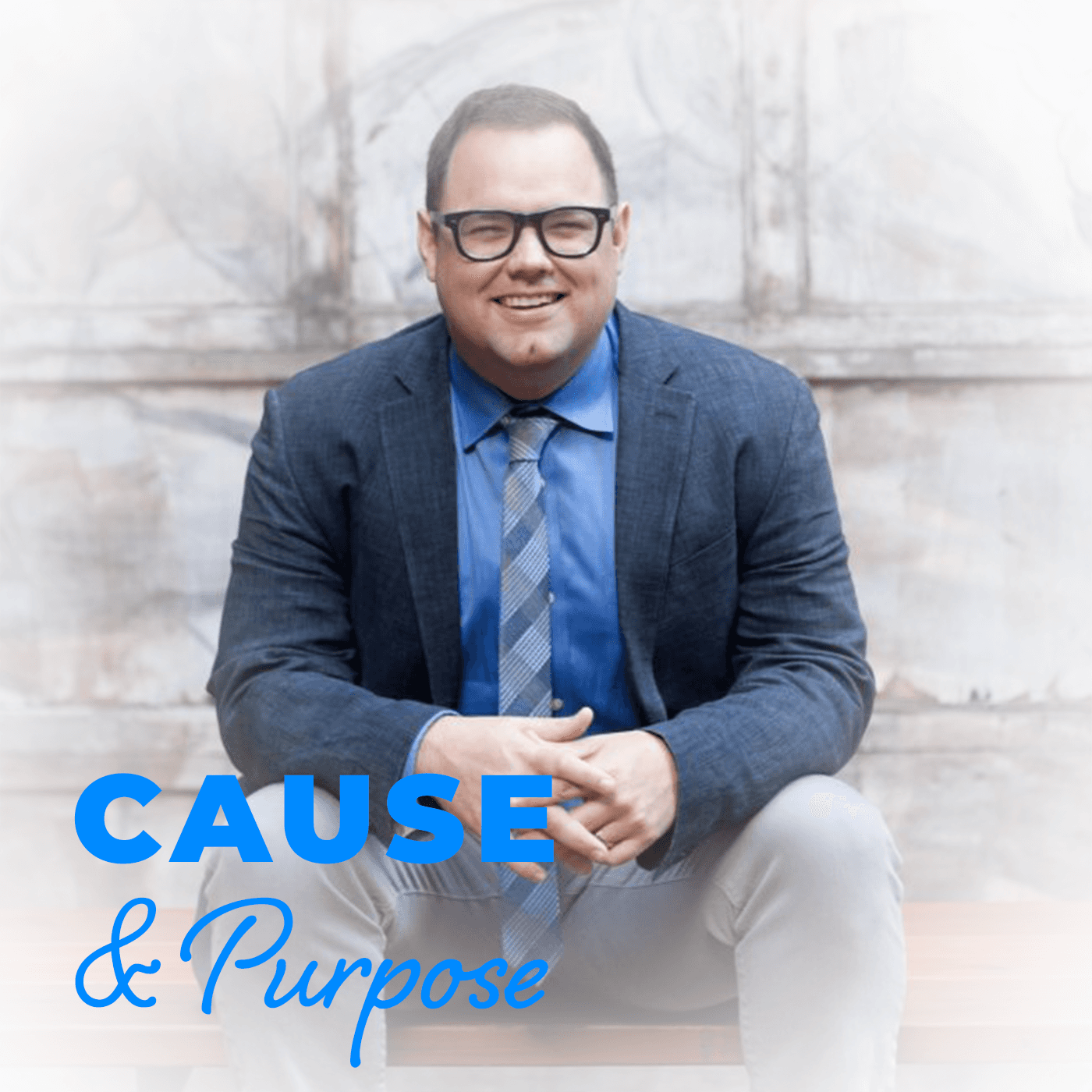
Data-Driven Impact: Andrew Means on Transforming Philanthropy Through Strategic Intelligence
Listen
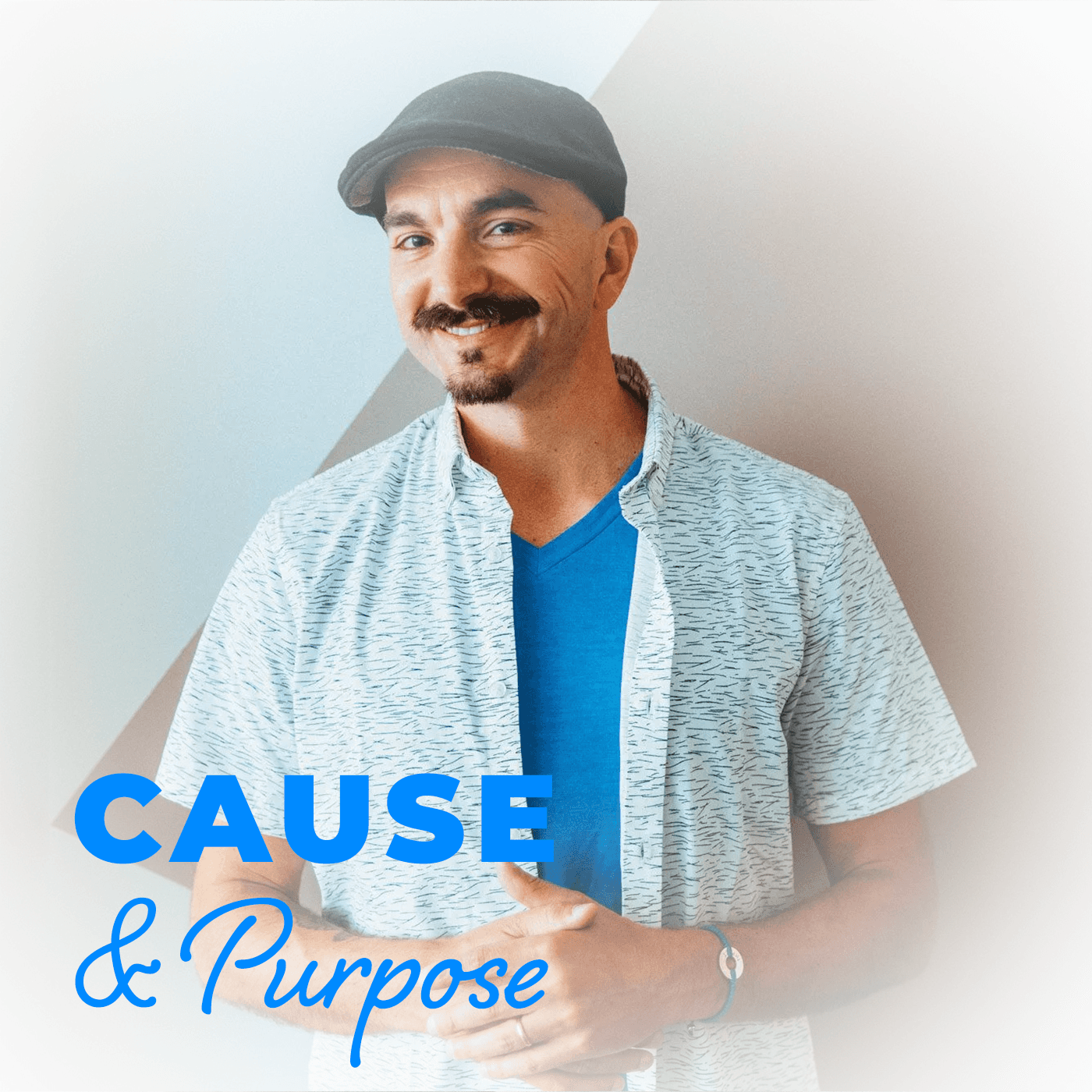
Artificial Intelligence in the Social Impact Sector and the Why Behind Altruous with Jim Carter III
Listen
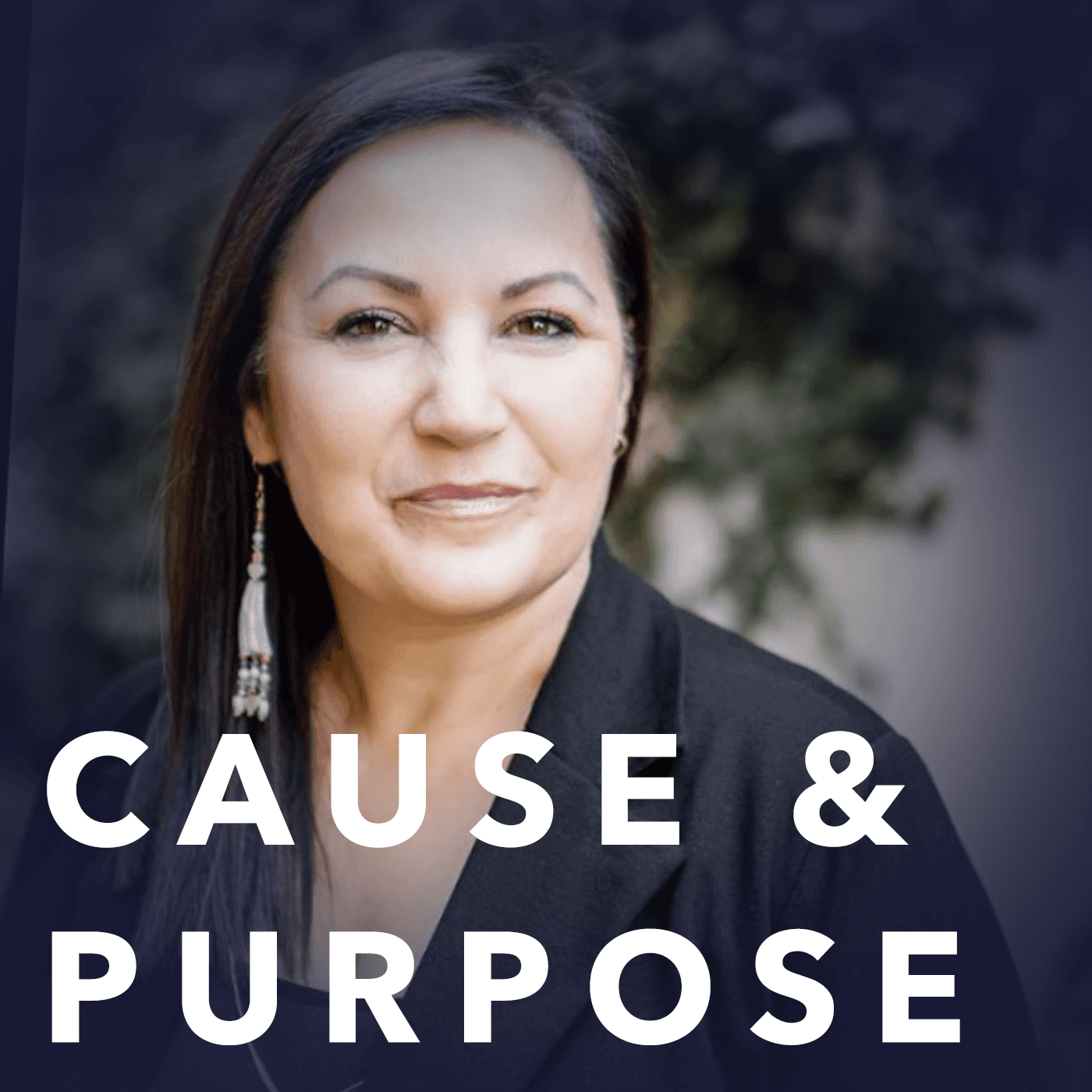
Fighting for Education Equality for Native American Scholars, with Native Forward CEO Angelique Albert
Listen